Table of Contents
- Why Daily Hygiene Matters
- Establishing a Morning Hygiene Routine
- Hand Hygiene: Simple Steps for Everyday Care
- Oral Hygiene: Tips for Maintaining Cleanliness
- Bathing & Skin Care: Daily Practices for Freshness
- Hair Care Essentials for Everyday Health
- Nail Care and Grooming Habits
- Hygiene on the Go: Travel and Work Tips
- Maintaining a Clean Home Environment
- Encouraging Family Hygiene Practices
- Integrating Hygiene Into Daily Life
- Frequently Asked Questions (FAQs)
Why Daily Hygiene Matters
Maintaining good daily hygiene is an essential part of everyday wellbeing for Australians. Establishing consistent habits not only helps you feel fresh but also supports comfort, confidence, and overall personal care. While daily hygiene does not prevent or treat medical conditions, it contributes to a sense of routine and self-care.
Incorporating Daily Hygiene & Care Essentials into your day can make routines easier and more manageable. Authoritative sources such as the Australian Government’s health guidelines provide neutral recommendations on maintaining basic hygiene without making medical claims.
This guide explores practical, neutral tips for Australians to improve daily hygiene habits safely and effectively, with each section highlighting small, achievable actions to integrate into everyday life.
Establishing a Morning Hygiene Routine
Starting the day with a structured hygiene routine helps set a positive tone. Simple practices such as washing your face, brushing your teeth, and applying deodorant can enhance personal comfort. Using gentle, neutral products from Daily Hygiene & Care Essentials makes these steps easy to incorporate.
Experts recommend dedicating a few minutes each morning to personal hygiene tasks, which can create a sense of preparedness and routine. Morning hygiene doesn’t require expensive products or extensive time; the key is consistency and simplicity. For guidance on safe personal care products, refer to TGA’s product safety information.
Hand Hygiene: Simple Steps for Everyday Care
Hand hygiene is a cornerstone of daily wellness. Washing hands with soap and water for at least 20 seconds is a neutral, effective way to maintain cleanliness. While handwashing does not prevent specific illnesses in this context, it is considered a best practice for general hygiene.
Carrying hand sanitizer during travel or work can help maintain clean hands when washing facilities aren’t available. Using products from Daily Hygiene & Care Essentials ensures gentle care for your skin while maintaining routine cleanliness. For authoritative guidance, see Australian Government hand hygiene advice.
Oral Hygiene: Tips for Maintaining Cleanliness
Maintaining oral hygiene is a daily habit that contributes to overall comfort and freshness. Brushing teeth twice daily and rinsing with water after meals are practical steps. Flossing can help manage food debris without making health claims.
Neutral products such as toothbrushes, toothpaste, and mouthwash from Daily Hygiene & Care Essentials can support consistent routines. Authoritative sources like Australian Dental Association provide neutral tips on effective oral care practices for everyday hygiene.
Bathing & Skin Care: Daily Practices for Freshness
Regular bathing or showering helps remove sweat, dirt, and oils from the skin. Using mild, fragrance-free cleansers from Daily Hygiene & Care Essentials supports gentle care for all skin types. Moisturising after bathing can keep skin feeling soft and comfortable.
Neutral advice includes adjusting bathing frequency according to activity level and climate, especially in Australia’s varied weather. For additional guidance, refer to Australian Government skin care recommendations.
Hair Care Essentials for Everyday Health
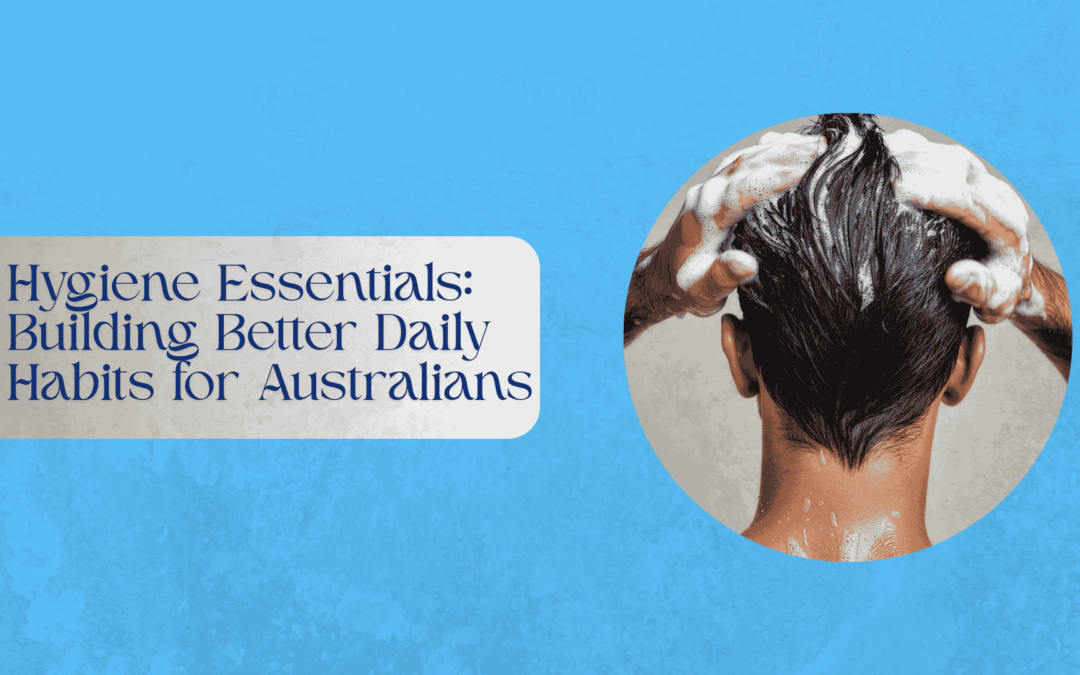
Hair care routines can vary based on hair type and personal preference. Neutral practices include regular washing, gentle brushing, and using suitable hair products. Products from Daily Hygiene & Care Essentials can simplify these routines.
Avoid harsh treatments or over-washing, which may cause discomfort. Following a consistent routine ensures hair feels fresh and manageable daily. For neutral advice on hair care products and safety, see TGA cosmetic safety guidance.
Nail Care and Grooming Habits
Nail hygiene is an important part of daily grooming. Simple actions such as trimming, cleaning under nails, and keeping them dry help maintain comfort. Neutral nail care products from Daily Hygiene & Care Essentials support these routines.
Authoritative sources such as Australian Government health and safety guidance provide general information on safe nail care practices. Regular nail grooming contributes to neat appearance and confidence in daily life.
Hygiene on the Go: Travel and Work Tips
Maintaining hygiene outside the home is key for Australians with busy lifestyles. Carrying small hygiene items like hand sanitizer, wipes, and travel-sized personal care products from Daily Hygiene & Care Essentials helps keep routines manageable.
Neutral tips include washing hands before meals, using reusable water bottles, and keeping personal items clean. Refer to Australian Government travel hygiene advice for safe practices while on the move.
Maintaining a Clean Home Environment
Personal hygiene extends to the spaces we inhabit. Regular cleaning of commonly touched surfaces, laundering towels and bedding, and managing personal items are neutral ways to maintain cleanliness.
Products from Daily Hygiene & Care Essentials can support routines such as gentle cleaning of personal items. For further neutral guidance, see Australian Government home hygiene tips.
Encouraging Family Hygiene Practices
Instilling hygiene habits in children or family members helps create a consistent household routine. Activities such as handwashing before meals, regular brushing, and teaching simple grooming steps contribute to comfort and confidence.
Neutral product suggestions from Daily Hygiene & Care Essentials can make family routines more manageable. Authoritative resources like Australian Government family health tips provide safe, neutral guidance for family hygiene practices.
Integrating Hygiene Into Daily Life
Building daily hygiene habits supports comfort, freshness, and overall personal wellbeing for Australians. By following structured routines, using neutral products from Daily Hygiene & Care Essentials, and referring to authoritative guidance, hygiene becomes an easy, consistent part of life.
Remember, small steps matter: establishing morning routines, maintaining hand and oral hygiene, and grooming hair and nails all contribute to daily freshness. For additional neutral tips, refer to Australian Government health guidelines.
Frequently Asked Questions (FAQs)
- Q1: How often should I wash my hands daily?
A: Neutral guidance suggests washing hands after activities like using the restroom, before meals, and when they appear dirty. Products from Daily Hygiene & Care Essentials support easy, gentle cleaning. Refer to Australian Government hand hygiene guidance for detailed tips. - Q2: What is the best way to maintain oral hygiene?
A: Brushing twice daily, rinsing after meals, and flossing are practical steps for daily oral hygiene. Neutral oral care products from Daily Hygiene & Care Essentials help maintain routines. See Australian Dental Association guidance for further neutral tips. - Q3: How can I keep my home environment clean for daily hygiene?
A: Regular cleaning of high-touch surfaces, laundering personal items, and organizing hygiene products contribute to a cleaner environment. Neutral cleaning guidance is available from Australian Government home hygiene tips.