Table of Contents
- Introduction
- Understanding Cosmetic Allergies
- Common Causes of Skin Reactions
- Identifying Symptoms Early
- Safe Skin Care Practices
- Choosing Hypoallergenic Products
- Patch Testing and Precautions
- Environmental and Lifestyle Factors
- When to Seek Professional Guidance
- Maintaining Healthy Skin Routine
- Conclusion
- Frequently Asked Questions (FAQs)
Introduction
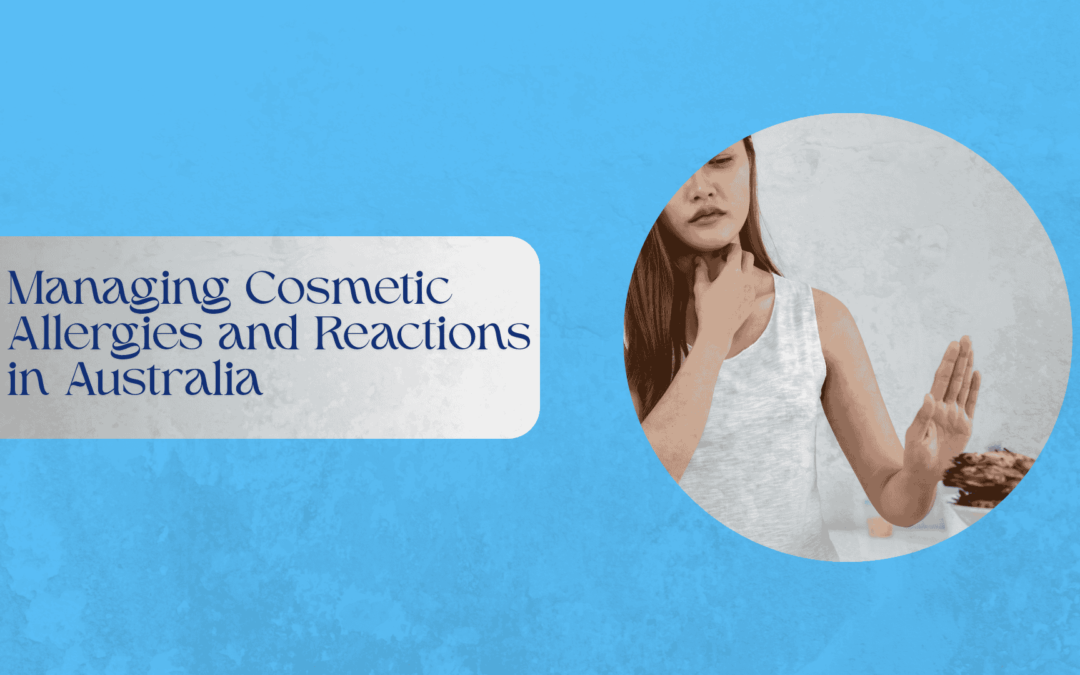
Managing cosmetic allergies is an important aspect of maintaining healthy skin, especially for Australians with sensitive skin types. Cosmetic reactions can range from mild irritation to more noticeable redness or itching, often caused by fragrances, preservatives, or other ingredients. While this content does not provide medical advice, it offers practical guidance and lifestyle tips to help you navigate skincare safely. Explore neutral options for Hypoallergenic & Sensitive Skin Essentials and consult credible resources such as the Australian Government Department of Health for reliable information on skin safety and cosmetic regulation. This guide aims to help you understand common triggers, identify reactions early, and adopt routines that support comfortable, healthy skin without making therapeutic claims.
Understanding Cosmetic Allergies
Cosmetic allergies occur when certain ingredients in skincare or beauty products trigger a reaction in sensitive skin. Common allergens include fragrances, preservatives, dyes, and certain botanical extracts. While reactions differ among individuals, recognizing the potential for irritation helps in making informed choices. Maintaining a neutral skincare routine and using hypoallergenic products can reduce the likelihood of discomfort. For Australians, understanding ingredient labels is crucial; the TGA Cosmetic Ingredients Guide provides authoritative information on approved cosmetic substances. By educating yourself on typical irritants and how skin may respond, you can manage your routine safely while supporting your skin’s natural balance.
Common Causes of Skin Reactions
Skin reactions can stem from both topical products and environmental factors. Ingredients such as alcohol, synthetic fragrances, and colorants often contribute to irritation. Other causes may include sunscreen additives or harsh exfoliants. Sensitive skin types are more prone to noticeable redness, itching, or rashes after using new products. Australians can minimize reactions by choosing products labelled for sensitive skin and by consulting approved skin care resources for neutral guidance. Awareness of product formulation and potential allergens ensures safer choices, especially when integrating multiple cosmetics into daily routines.
Identifying Symptoms Early
Recognizing early signs of cosmetic reactions helps prevent prolonged irritation. Symptoms may include redness, swelling, itching, or mild burning. For sensitive skin, even low concentrations of irritants can trigger a response. Keeping a diary of products used and noting any reactions is a practical strategy. While this is not a substitute for professional assessment, neutral tips such as stopping a product immediately and opting for gentle hypoallergenic alternatives can limit discomfort. For more information, Australians can refer to authoritative guides like the Australian Dermatology Association.
Safe Skin Care Practices
Safe skincare involves choosing gentle, fragrance-free, and hypoallergenic products. Avoiding products with common irritants, performing patch tests, and layering products carefully reduces the risk of reactions. Neutral practices like cleansing with mild formulas and maintaining a consistent hydration routine support skin comfort. Internal links to sensitive skin care products allow users to explore options while external links to reliable sources, such as Australian Government health tips, provide evidence-based reference points.
Choosing Hypoallergenic Products
Hypoallergenic products are designed to minimize potential irritants, though individual sensitivities may vary. Selecting products labelled for sensitive skin, fragrance-free, or dermatologist-tested can improve comfort. In Australia, always review ingredient labels and refer to official guidelines such as the TGA Cosmetic Safety Resources. Neutral internal links to Hypoallergenic & Sensitive Skin Essentials provide safe product options. Combining informed choices with lifestyle habits helps maintain skin comfort without relying on therapeutic claims.
Patch Testing and Precautions
Before fully integrating a new cosmetic, patch testing on a small skin area is a recommended precaution. This helps detect potential reactions without impacting larger areas. Neutral tips include leaving the product on for 24–48 hours and observing any irritation. Patch testing complements selecting hypoallergenic products and following sensitive skin guidance. Australians can consult credible external sources, such as DermNet NZ, for general informational resources about safe cosmetic testing practices.
Environmental and Lifestyle Factors
Environmental conditions, such as UV exposure, heat, and humidity, can exacerbate skin sensitivity. Lifestyle factors like diet, hydration, and stress may also influence skin comfort. Neutral strategies include gentle cleansing, sun protection with non-irritating formulations, and maintaining hydration. Internal links to sensitive skin products and external references to Australian sun safety guidelines provide practical guidance for reducing cosmetic reactions in everyday life.
When to Seek Professional Guidance
While minor cosmetic reactions can often be managed with neutral care routines, persistent or severe reactions should be assessed by a qualified healthcare professional. This ensures accurate identification of triggers and avoids unnecessary discomfort. Neutral advice includes documenting symptoms, reviewing ingredients, and consulting dermatologists or pharmacists. External links to Australian Dermatology Association provide credible reference points. Internal links can guide readers to hypoallergenic skincare options for day-to-day use.
Maintaining Healthy Skin Routine
A consistent, neutral skincare routine supports skin comfort and reduces potential reactions. Key tips include gentle cleansing, moisturizing with non-irritating formulas, and carefully introducing new products one at a time. Regular review of product ingredients and selecting options suitable for sensitive skin helps maintain skin balance. Internal links to Hypoallergenic & Sensitive Skin Essentials and external links to Australian health guidance ensure readers have safe, evidence-based resources to follow.
Practical Tips for Everyday Use
Practical steps to minimize cosmetic reactions include: storing products correctly, avoiding expired items, and limiting exposure to known irritants. Neutral strategies also encourage reading ingredient labels, testing products on small areas first, and simplifying routines where possible. Linking internally to sensitive skincare products and externally to trusted resources like TGA Cosmetic Safety reinforces compliance and credibility.
Conclusion
Managing cosmetic allergies in Australia is about understanding your skin, selecting hypoallergenic products, and adopting safe skincare routines. By following neutral, evidence-based practices, Australians can minimize reactions and support comfortable skin daily. Explore Hypoallergenic & Sensitive Skin Essentials for suitable options, and refer to authoritative resources such as the Australian Government Department of Health for ongoing guidance. Remember, this content is informational only and not a substitute for professional advice.
Disclaimer
“This content is for general informational purposes only and is not intended as medical or professional advice. Always seek the guidance of a qualified professional regarding any questions about personal wellbeing or products.”
Frequently Asked Questions (FAQs)
- Q1: How do I know if a cosmetic product is safe for my sensitive skin?
A1: Start by checking labels for fragrance-free, hypoallergenic, and dermatologist-tested products. Perform a patch test before full use. Internal links to sensitive skin product range and external links to TGA cosmetic safety info can help you make informed choices. - Q2: Can natural ingredients still cause allergic reactions?
A2: Yes, even natural ingredients like essential oils can trigger skin reactions. Choosing products labelled for sensitive skin and conducting patch tests reduces risk. External sources like DermNet NZ provide neutral guidance. - Q3: What should I do if I experience redness or irritation?
A3: Discontinue the product immediately, rinse gently with water, and opt for mild, hypoallergenic alternatives. Document the reaction and consult a qualified healthcare professional if symptoms persist.