Table of Contents
- Introduction
- What Are Cosmetic Chemicals?
- Common Ingredients to Be Aware Of
- Regulatory Oversight in Australia
- Reading Cosmetic Labels
- Tips for Safer Skincare Choices
- Myths vs Facts About Cosmetic Chemicals
- Environmental Considerations
- Conclusion
- Frequently Asked Questions (FAQs)
Introduction
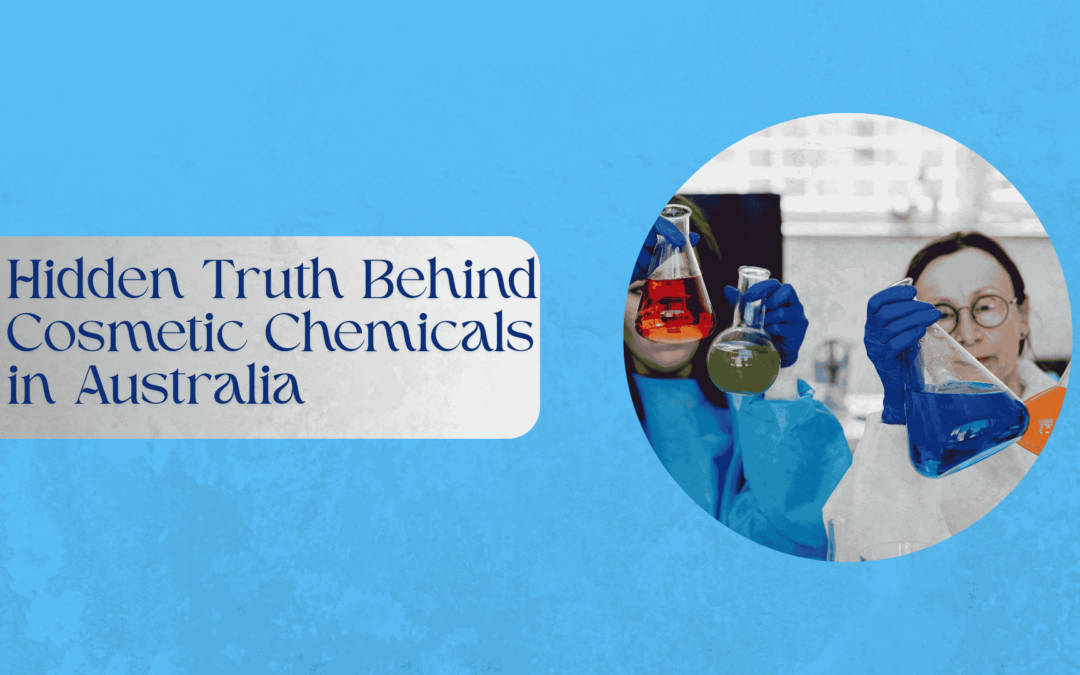
Cosmetic products play a central role in daily skincare routines across Australia. While many products promise radiant skin and beauty benefits, it’s important to understand the ingredients they contain. Many cosmetic formulations include a range of chemical compounds, some of which can cause irritation or sensitivity for certain individuals. Exploring the hidden truths behind these chemicals allows consumers to make more informed, neutral choices for their skincare routines.
For Australians interested in safe and chemical-conscious options, browsing Safe Skincare & Chemical-Free Beauty Essentials can provide a neutral starting point. Additionally, for factual guidance on cosmetic safety, the Therapeutic Goods Administration (TGA) offers up-to-date information about approved ingredients and regulations.
This article explores common cosmetic chemicals, regulatory oversight in Australia, and practical tips for choosing safer skincare, all without making therapeutic or health outcome claims.
What Are Cosmetic Chemicals?
Cosmetic chemicals are compounds intentionally added to products such as creams, lotions, makeup, and haircare to perform functions like preservation, fragrance, or texture enhancement. Examples include emulsifiers, stabilisers, and synthetic preservatives. While these ingredients are widely used and approved for cosmetic use, understanding their role can help consumers make more conscious choices.
It’s important to note that not all chemical ingredients are harmful; many are necessary for product stability and safety. For Australians, information about chemical safety can be accessed via NICNAS/AFE Chemicals – Australian Government resources.
Consumers seeking neutral, chemical-conscious options can explore Safe Skincare & Chemical-Free Beauty Essentials. By becoming familiar with common cosmetic chemicals, individuals can read labels more effectively and make choices aligned with personal preferences.
Common Ingredients to Be Aware Of
Certain cosmetic chemicals often attract attention due to public interest or media coverage. Ingredients like parabens, sulphates, formaldehyde-releasing preservatives, and synthetic fragrances are commonly discussed. Awareness does not imply inherent harm but encourages informed selection.
Parabens, for instance, function as preservatives to extend shelf life. Sulphates are detergents that create foaming in cleansers. While widely permitted in Australia, some individuals may prefer alternatives for sensitive skin or chemical-conscious routines.
For more information on specific cosmetic chemicals, Australians can consult the TGA’s cosmetic ingredient guidelines. Choosing products from the Safe Skincare & Chemical-Free Beauty Essentials range provides options that are neutral, minimal in synthetic additives, and compliant with regulations.
Regulatory Oversight in Australia
Cosmetic safety in Australia is regulated by the TGA, NICNAS, and ACCC, ensuring that ingredients are permitted for use and labelled appropriately. The regulations focus on ingredient safety, accurate labelling, and marketing claims.
Australian laws prevent companies from making therapeutic claims about cosmetic products, such as preventing disease or improving immunity. Cosmetic labelling must include ingredient lists, warnings, and directions for use, enabling consumers to make informed decisions.
For verified guidance on compliance and approved chemicals, refer to the TGA Cosmetics Section. For neutral skincare options, consider exploring the Safe Skincare & Chemical-Free Beauty Essentials, which adhere to Australian regulatory standards. Understanding the framework behind cosmetic safety can help Australians navigate product choices without assumptions about health effects.
Reading Cosmetic Labels
Understanding cosmetic labels is a critical step in making informed choices. Labels provide details about ingredients, concentration, allergens, and expiration dates. Familiarity with ingredient names, including chemical derivatives, allows consumers to identify substances they may wish to avoid.
Common abbreviations, such as PEGs, EDTA, and CI numbers, indicate specific chemical compounds. While the presence of these compounds is regulated and generally safe, individuals interested in chemical-conscious routines may prefer products with simpler, plant-based formulations.
For reliable guidance on interpreting cosmetic labels, Australians can refer to the ACCC Product Safety Guidelines. Additionally, browsing Safe Skincare & Chemical-Free Beauty Essentials provides practical options with transparent labeling and reduced synthetic additives. Label literacy empowers consumers to make choices aligned with preferences rather than assumptions about health outcomes.
Tips for Safer Skincare Choices
Selecting skincare products with fewer synthetic chemicals can be part of a personal preference strategy rather than a health intervention. Neutral strategies include:
- Choosing products with shorter ingredient lists
- Seeking fragrance-free or preservative-conscious options
- Prioritizing well-labeled products for ingredient transparency
Australia offers a variety of cosmetic products that meet regulatory standards while catering to chemical-conscious consumers. The Safe Skincare & Chemical-Free Beauty Essentials range is an example of a neutral starting point for individuals seeking minimal additives.
For factual guidance on safe cosmetic use, consult TGA Cosmetic Safety Information. These approaches emphasize awareness and informed choice, without implying health outcomes or therapeutic benefits.
Myths vs Facts About Cosmetic Chemicals
Cosmetic chemicals are often misrepresented in popular media. Common myths include assumptions that all parabens or sulfates are harmful, or that synthetic preservatives cause widespread health issues. In reality, these chemicals are regulated for safety, and risk is often context-dependent, such as individual sensitivity.
Fact-based awareness focuses on understanding ingredient functions and regulatory compliance rather than assigning health claims. Australian resources like TGA Ingredient Safety provide authoritative guidance.
For neutral options, exploring Safe Skincare & Chemical-Free Beauty Essentials can help consumers navigate cosmetic choices while avoiding misinformation. Dispelling myths allows Australians to make informed, preference-driven decisions without assuming health outcomes.
Environmental Considerations
Cosmetic chemicals can have environmental impacts depending on production, packaging, and disposal. Ingredients like microbeads and certain preservatives may affect water systems if improperly disposed. Choosing products with environmentally conscious formulations and recyclable packaging helps reduce environmental footprints.
Australia encourages sustainable cosmetic practices through regulatory guidance and industry standards, including voluntary eco-certifications. For more information, see Australian Government Environmental Guidelines.
Consumers can consider products from Safe Skincare & Chemical-Free Beauty Essentials that prioritize minimal synthetic additives and environmentally friendly practices. Awareness of environmental considerations complements chemical literacy in cosmetics without making health claims.
Conclusion
Understanding the hidden truths behind cosmetic chemicals allows Australians to make informed, neutral choices about the products they use. Awareness of common ingredients, label literacy, regulatory oversight, and environmental considerations empowers individuals to select products aligned with personal preference and chemical-conscious lifestyles.
For those seeking simplified, minimal-chemical options, the Safe Skincare & Chemical-Free Beauty Essentials range provides neutral, compliant solutions. Additionally, referencing authoritative sources such as TGA Cosmetic Guidelines ensures factual understanding of ingredient safety.
Frequently Asked Questions (FAQs)
- Q1: Are all cosmetic chemicals harmful?
No, cosmetic chemicals are regulated for safety in Australia. Harm varies with individual sensitivity. Refer to the TGA Cosmetic Ingredients for factual guidance. - Q2: How can I identify chemicals to avoid?
Reading ingredient lists on labels, understanding abbreviations, and choosing simpler formulations helps. Neutral options include Safe Skincare & Chemical-Free Beauty Essentials. - Q3: Do chemical-free products mean safer for everyone?
Chemical-free or minimal-additive products cater to preference and sensitivity, not universal safety. Informed choice matters more than assumptions about health outcomes.
Disclaimer
This content is for general informational purposes only and is not intended as medical or professional advice. Always seek the guidance of a qualified professional regarding any questions about personal wellbeing or products.
By combining awareness, preference-driven selection, and regulatory knowledge, Australians can navigate cosmetic choices confidently, without assumptions about health outcomes.