Key Insights

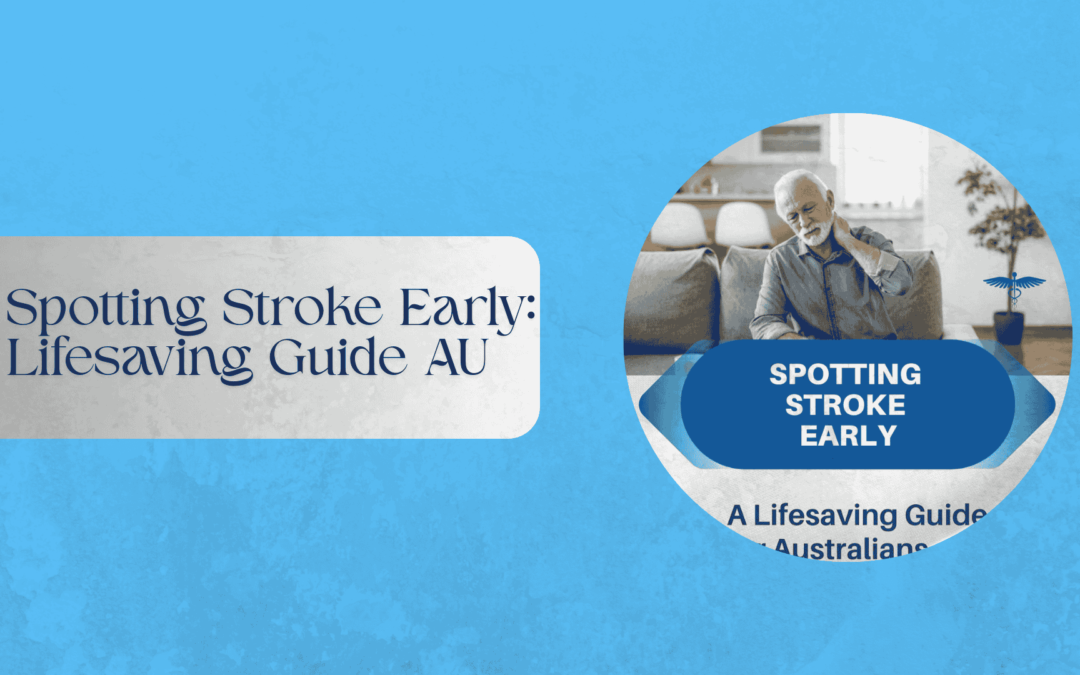
Stroke remains one of Australia’s most pressing health challenges, impacting over 55,000 Australians each year—equivalent to one stroke every 19 minutes. Early recognition and response are the most effective ways to save lives and reduce disability. Understanding the FAST test, recognising warning signs, and managing risk factors such as high blood pressure, smoking, and inactivity can dramatically improve recovery outcomes. Empowering Australians with stroke awareness strengthens communities, protects families, and supports survivors on their journey to recovery. Remember: time is brain, and every second counts—knowing what to do could save a life.

Table of Contents

  1. Why Stroke Awareness Matters
  2. Understanding Stroke in Australia
  3. Recognising the Early Warning Signs
  4. The FAST Test Explained
  5. Risk Factors Australians Should Know
  6. What To Do If You Suspect a Stroke
  7. Preventing Stroke: Healthy Lifestyle Choices
  8. Supporting Survivors and Families
  9. Conclusion
  10. FAQs
  11. People Also Search For
  12. Trusted Citations and Resources


Why Stroke Awareness Matters

Stroke is a medical emergency that demands immediate attention. In Australia, it is the second leading cause of death and a major cause of disability, often leaving survivors with lasting physical and cognitive challenges. The heartbreaking truth is that many of these outcomes are preventable if action is taken quickly.

Despite advances in healthcare, public awareness gaps remain. Too many Australians are still unaware of the early signs of stroke or mistakenly dismiss them as minor issues like fatigue or stress. This lack of awareness leads to dangerous delays in seeking help, costing precious minutes—and millions of brain cells.

Raising awareness is a shared responsibility. Whether at home, work, or school, every Australian can help by learning the signs, sharing the FAST test, and encouraging others to act quickly. When a community understands the urgency of stroke, survival rates increase, and recovery outcomes significantly improve.

True progress begins when awareness turns into action—because recognising the signs of stroke doesn’t just save one person; it can protect entire families and communities.

“Awareness is the first step toward prevention, and prevention is the first step toward saving a life.”
Have you shared the stroke warning signs with your loved ones? Take a moment today to talk about them—you might save a life tomorrow.


Understanding Stroke in Australia

A stroke occurs when blood flow to the brain is disrupted, depriving brain cells of essential oxygen and nutrients. This interruption can cause permanent damage within minutes. There are two main types of stroke: ischaemic stroke (caused by blood clots) and haemorrhagic stroke (caused by bleeding in the brain). Both are life-threatening emergencies requiring immediate treatment.

In Australia, one stroke occurs every 19 minutes—a staggering 55,000 cases annually. Beyond the numbers lie stories of families, friends, and colleagues whose lives are changed forever. Survivors often face long-term disabilities such as paralysis, speech impairment, or memory loss.

While stroke risk increases with age, it’s no longer just a concern for older adults. Younger Australians are increasingly at risk due to unhealthy lifestyles, poor diet, high blood pressure, and diabetes. The rising prevalence highlights an urgent need for public education and preventive action.

Understanding stroke as a national health issue empowers Australians to demand better access to care, support medical research, and create healthier communities. Knowledge is a powerful defence—it transforms fear into preparedness and uncertainty into hope.

“When we understand the challenge, we can rise together to overcome it.”
Do you know someone affected by stroke? Share this article and help spark an important conversation about awareness and prevention.


Recognising the Early Warning Signs

Recognising the early warning signs of stroke can mean the difference between life and death. These symptoms often appear suddenly, catching both the person and bystanders off guard. Common signs include numbness or weakness on one side of the body, drooping of the face, slurred speech, sudden vision changes, dizziness, loss of coordination, and severe headache with no clear cause.

Even if symptoms seem mild or disappear within minutes, they should never be ignored. A Transient Ischaemic Attack (TIA)—often called a “mini-stroke”—is a major red flag that a full stroke could follow soon. Acting fast during a TIA can prevent a catastrophic event.

Many people hesitate to call Triple Zero (000) because they’re unsure or afraid of overreacting, but in a stroke emergency, every minute counts. The faster help arrives, the better the chances of survival and recovery. Recognising and acting on these signs isn’t just awareness—it’s empowerment.

Encourage your family, friends, and colleagues to learn these symptoms by heart. A quick response today could protect a life tomorrow.

“The greatest gift you can give someone is a second chance at life—learn the signs and act without hesitation.”
Have you memorised the stroke symptoms? Challenge your loved ones to recall them tonight—it could be the most important quiz you ever take.

The FAST Test Explained

When it comes to stroke, the FAST test is Australia’s simplest and most effective tool for recognition and response. It helps anyone, anywhere, identify a potential stroke in seconds:

F – Face: Ask the person to smile. Does one side droop?
A – Arms: Ask them to raise both arms. Does one drift downward or feel weak?
S – Speech: Ask them to repeat a simple phrase. Is their speech slurred, confused, or absent?
T – Time: If any of these signs are present, call 000 immediately.

This easy-to-remember acronym is saving lives across Australia. Why? Because time is critical. Treatments like clot-busting medication or thrombectomy procedures are only effective if given within hours of symptom onset. Each minute that passes can destroy up to 1.9 million brain cells—making immediate response absolutely essential.

The FAST test isn’t just for medical professionals—it’s for everyone. Sharing it with your community, school, or workplace ensures more Australians can act decisively when every second matters.

“Time lost is brain lost—FAST action saves futures.”
Can you recite the FAST test right now without looking? Say it out loud—and teach someone else today.


Risk Factors Australians Should Know

While stroke can strike anyone, understanding the key risk factors is vital for prevention. The most significant contributor is high blood pressure, responsible for more than half of all stroke cases. Other major risks include smoking, high cholesterol, diabetes, obesity, excessive alcohol intake, and physical inactivity.

In Australia, our busy, modern lifestyles often fuel these risks. Long working hours, stress, and poor diet choices create a perfect storm for vascular disease. Alarmingly, more young Australians are now being diagnosed with hypertension and Type 2 diabetes, conditions once considered “age-related.”

Some risks, like family history or genetic factors, cannot be changed—but lifestyle choices can. Regular blood pressure checks, balanced nutrition, daily movement, and quitting smoking are simple yet powerful steps. Reducing salt, limiting alcohol, and prioritising mental wellbeing all help strengthen cardiovascular health.

For Indigenous Australians, the burden of stroke is even higher due to limited healthcare access and socioeconomic challenges. Addressing these inequities is essential to achieving nationwide progress.

By recognising risk and taking control of daily habits, Australians can drastically reduce their stroke likelihood. Prevention begins not with fear, but with self-awareness and commitment.

“Awareness of risk is the bridge between vulnerability and strength.”
When was your last blood pressure check? Schedule one this week—your heart and brain will thank you later.


What To Do If You Suspect a Stroke

When a stroke strikes, acting immediately is the single most important thing you can do. If you suspect someone is having a stroke—don’t wait, call 000. Even if you’re uncertain, it’s better to act and be wrong than to hesitate and lose time.

While waiting for emergency services, keep the person calm and comfortable. If they’re conscious, help them lie on their side with their head supported. Never offer food, drink, or medication unless advised by paramedics. Most importantly, note the time symptoms first appeared, as doctors use this to decide which treatment is best.

If the person becomes unconscious, begin basic first aid and ensure their airway remains clear. Your quick response can mean the difference between full recovery and lifelong disability.

Remember: stroke is a race against time. A few minutes of courage and awareness can rewrite someone’s future.

“In a moment of crisis, courage is simply choosing to act.”
Save “000 – Stroke Emergency” in your phone contacts right now—you’ll never regret being prepared.


Preventing Stroke: Healthy Lifestyle Choices

The most empowering fact about stroke is that up to 80% of cases are preventable through healthier choices. Small, consistent changes have the power to reshape your future.

Start with nutrition—focus on whole grains, lean proteins, and plenty of fruits and vegetables. Avoid processed foods high in salt, sugar, and unhealthy fats. A Mediterranean-style diet has been shown to lower stroke risk dramatically.

Regular physical activity—even a brisk 30-minute walk most days—improves blood flow and strengthens your heart. Quit smoking, limit alcohol, and manage stress through mindfulness or breathing exercises. Chronic stress contributes to high blood pressure, one of the biggest stroke triggers.

Routine health screenings for blood pressure, cholesterol, and blood sugar can catch problems before they escalate. Prevention isn’t about perfection—it’s about persistence.

Each day you make a healthy choice, you reduce your risk and inspire others to do the same. Protecting your brain starts with the small things: one step, one meal, one mindful breath at a time.

“A healthy life is not built in a day, but it is built every day.”
What’s one healthy habit you can start today? Take the first step now—because tomorrow’s wellness begins with today’s decision.

Supporting Survivors and Families

A stroke doesn’t end when the hospital stay does—it marks the beginning of a new journey filled with both challenges and triumphs. Many survivors face physical, emotional, and cognitive hurdles, such as mobility issues, speech difficulties, fatigue, or memory loss. Beyond these, the emotional toll—depression, anxiety, and frustration—can weigh heavily on survivors and their families.

Rehabilitation plays a crucial role in recovery. Physiotherapy, speech therapy, and occupational therapy help survivors rebuild independence and confidence. Community programs and support groups across Australia provide connection, encouragement, and shared understanding. These networks remind survivors that they’re not alone and that recovery, though gradual, is possible.

Families, too, are heroes in this story. Caregivers often shoulder immense emotional and physical responsibility, balancing love, patience, and exhaustion. Their support, empathy, and perseverance can make a world of difference. Recognising their efforts and providing them with respite care, education, and community support is essential for sustainable healing.

Every small step—a regained word, a steady stride, or a shared laugh—is a victory. Together, survivors and families redefine strength, proving that recovery isn’t about returning to who you were—it’s about rediscovering who you can become.

“Recovery is not about returning to who you were—it’s about discovering who you can become.”
Do you know someone recovering from a stroke? Send them a message of encouragement or offer your time—it could brighten their journey toward healing.

Conclusion

Stroke remains one of Australia’s most urgent health challenges, but the power to make a difference lies in awareness, action, and prevention. By recognising the early warning signs, understanding the FAST test, and addressing risk factors, every Australian can play a role in reducing the devastating impact of stroke.

Early recognition and swift response are lifesaving. Prevention—through healthy choices, stress management, and regular health checks—can dramatically cut the risk. Beyond prevention, supporting survivors and their families ensures that recovery continues long after the emergency ends.

When communities unite in knowledge and compassion, they create a ripple effect of resilience. Every person educated about stroke becomes a potential lifesaver, every shared story fuels hope, and every action strengthens Australia’s collective fight against this silent killer.

Together, we can build a nation where fewer lives are lost, more survivors thrive, and families find strength in awareness.

“Every second counts, every action matters, and every life saved is a victory for us all.”
Share this guide with three people today—because the more Australians who know the signs, the more lives we can save together.


FAQs

  • Q1: What is the FAST test for stroke?
    The FAST test stands for Face, Arms, Speech, and Time—key signs to identify a stroke quickly. It helps people recognize the early signs and get timely medical help.
  • Q2: Can young people have strokes?
    Yes, strokes can affect people of all ages, though the risk increases with age. Factors like high blood pressure, smoking, or underlying health issues can increase stroke risk in younger individuals.
  • Q3: How is stroke treated in Australia?
    Stroke treatment in Australia includes clot-busting medication, surgery, rehabilitation, and long-term management, depending on the type and severity of the stroke.
  • Q4: Are strokes preventable?
    While not all strokes are preventable, lifestyle changes like a healthy diet, regular exercise, and managing risk factors like high blood pressure, diabetes, and cholesterol can significantly reduce the chances of having a stroke.
  • Q5: What should I do while waiting for paramedics?
    While waiting for paramedics, keep the person safe, comfortable, and calm. Do not give them food or drink, and try to keep track of when the symptoms started to provide accurate information to medical personnel.
  • Q6: How can I lower my risk of having a stroke?
    To lower stroke risk, focus on healthy eating, exercise, quitting smoking, moderating alcohol intake, and managing medical conditions like diabetes and hypertension.
  • Q7: What are the common symptoms of a stroke?
    Symptoms include sudden numbness or weakness, especially on one side of the body, confusion, trouble speaking or understanding speech, sudden trouble seeing, and severe headache.
  • Q8: How is a stroke diagnosed?
    A stroke is diagnosed using imaging tests like CT scans or MRIs, alongside a neurological exam to assess the extent of brain damage.
  • Q9: Can a stroke lead to permanent disability?
    A stroke can lead to permanent disability, such as paralysis or cognitive issues, but the extent varies depending on the type of stroke and how quickly treatment was administered.
  • Q10: What is the recovery process after a stroke?
    Recovery may involve rehabilitation to regain physical, speech, and cognitive skills. The process can take weeks to years, with some patients achieving full recovery, while others may have lasting impairments.


People Also Search For

  • FAST stroke symptoms Australia
  • Stroke prevention tips
  • Australian stroke statistics 2025
  • Emergency response for stroke patients
  • Stroke recovery and rehabilitation Australia


Trusted Citations Section

  1. Heart Health – Pharmacy Direct
    Two-thirds of Aussie adults face heart risk factors. Learn how to prevent stroke and boost cardiovascular wellness in our Heart Health Awareness campaign.
  2. Top Pharmacies for Antacids & Indigestion Relief – Chemist Australia
    Ease heartburn and indigestion with trusted Australian pharmacy options. Discover antacid products and expert advice for better digestive health.
  3. Allergy Awareness – Chempro
    Understand how your immune system reacts to allergens. Learn to manage overactive responses and reduce risks linked to allergic inflammation.
  4. Top Online Pharmacies’ Best Nasal Relief Products – Chemist Outlet
    Find trusted nasal sprays and allergy relief products from top Australian pharmacies to improve breathing and reduce sinus congestion.
  5. Stroke Foundation Australia – Know the FAST Signs
    Australia’s leading stroke authority. Learn how to recognise FAST symptoms, reduce risk factors, and support survivors nationwide.
  6. Healthdirect Australia – Stroke Symptoms and Treatment
    Government-backed resource providing verified guidance on stroke warning signs, diagnosis, treatment, and prevention strategies.
  7. Better Health Channel – Stroke Explained (Victoria)
    A Victorian Government health site detailing causes, symptoms, and rehabilitation options for stroke recovery and awareness.
  8. Australian Commission on Safety and Quality in Health Care – Acute Stroke Standard
    National clinical care standard outlining best practices for early stroke recognition, emergency response, and acute management.
  9. Brain Foundation Australia – Stroke Research and Recovery
    Non-profit resource offering stroke education, current research, and recovery guidance for patients, carers, and health professionals.
  10. Australian and New Zealand Living Stroke Guidelines
    Evidence-based “living” guideline that evolves with new research—supporting doctors, carers, and stroke survivors in recovery care.